
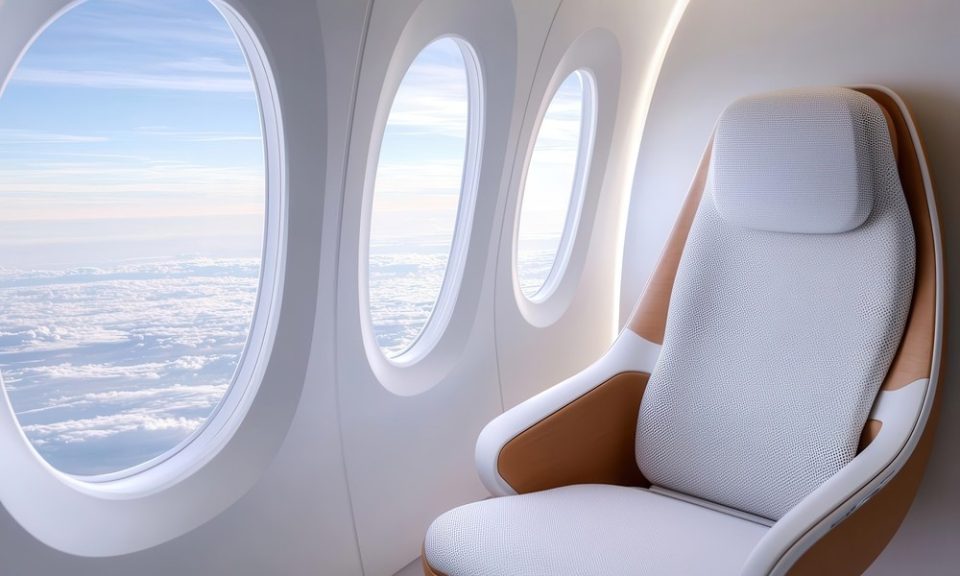
Premium aircraft buyers have changed. They’ve moved past yesterday’s concept of luxury. Customers today want cabins that can function simultaneously as mobile offices and private retreats. They want them to function as entertainment hubs. Their expectations are forcing manufacturers to re-evaluate interior design completely.
Technology Integration Without the Clutter
Customers desire constant connectivity. They operate businesses from high altitudes. Video calls take place while in the air. Documents are signed over the Pacific. Yet, it’s universally unappealing to have wires cluttering up attractive interior designs. Table surfaces conceal wireless charging pads. USB ports nestle inside the armrests. Screens fold away when not needed. The technology remains powerful but nearly invisible. Customers want their devices to be plug-and-play, with no fussing with outlets or adapters.
Fast internet is a must these days. Before signing contracts, buyers verify connection speeds. They expect streaming quality comparable to their home network. Satellite systems that seemed miraculous five years ago now barely meet minimum standards.
Control systems have gone completely digital. Passengers use their phones to adjust the lighting, temperature, and window shades. Physical switches seem outdated. Voice commands handle basic functions. The cabin responds to preferences automatically, remembering how each passenger likes their environment configured.
Materials That Tell a Story
Today’s buyers research material sources. They ask where wood comes from. They want sustainable leather options. Environmental responsibility matters as much as appearance. Exotic materials lost their automatic appeal. Buyers prefer authentic over flashy. They choose reclaimed wood with history over perfect veneers. Natural variations add character. Genuine craftsmanship can turn flaws into attractive features.
Expectations for durability have increased significantly. When buying, customers assess the cost per flight hour, not solely the purchase price. They are looking for materials that will age well. Patina adds value. Surfaces that require constant replacement get rejected immediately. Health considerations influence material selection too. Low-emission adhesives matter. Hypoallergenic fabrics get priority. Air quality sensors verify that beautiful interiors don’t compromise passenger wellness.
Flexibility Drives Design Choices
Fixed layouts feel restrictive to modern buyers. They want cabins that transform based on mission needs. Monday’s board meeting setup becomes Friday’s family travel configuration. Modular furniture systems allow for quick changes. Tables expand for dining, shrink for conversation. Beds appear from hidden compartments. Conference areas convert to entertainment spaces. Each transformation happens smoothly without tools or technicians.
Companies like LifePort recognized this shift early, developing VIP seating that combines executive comfort with medical capability, allowing aircraft to serve dual purposes without compromising either function. Storage adapts to different cargo types. Business equipment one day, sports gear the next. Compartments adjust sizing through moveable dividers. Nothing stays permanently fixed because needs constantly change.
Personalization Beyond Monograms
Buyers expect cabins that reflect their personalities. Not just color choices or logo placement. They want spaces that feel genuinely personal. Lighting scenes match individual biorhythms. Morning flights feature energizing brightness. Evening departures shift to warmer, calming tones. The cabin supports natural sleep cycles during overnight journeys.
Sound environments go beyond simple volume control. Some buyers want complete silence. Others prefer subtle background ambiance. Noise cancellation targets specific frequencies based on passenger preferences. Scent systems represent the newest personalization frontier. Subtle aromatherapy enhances relaxation and focus. Cabins smell like home, not like aircraft.
Conclusion
Today’s premium aircraft buyers bring fresh perspectives to cabin selection. They value function alongside form. Technology must integrate seamlessly. Materials need meaningful origins. Flexibility trumps fixed luxury. Personalization goes deep, not just surface-level. Manufacturers who understand these evolving expectations create cabins that satisfy completely. Those still building yesterday’s definition of luxury struggle to close deals. The market has spoken clearly about what modern premium really means.
