
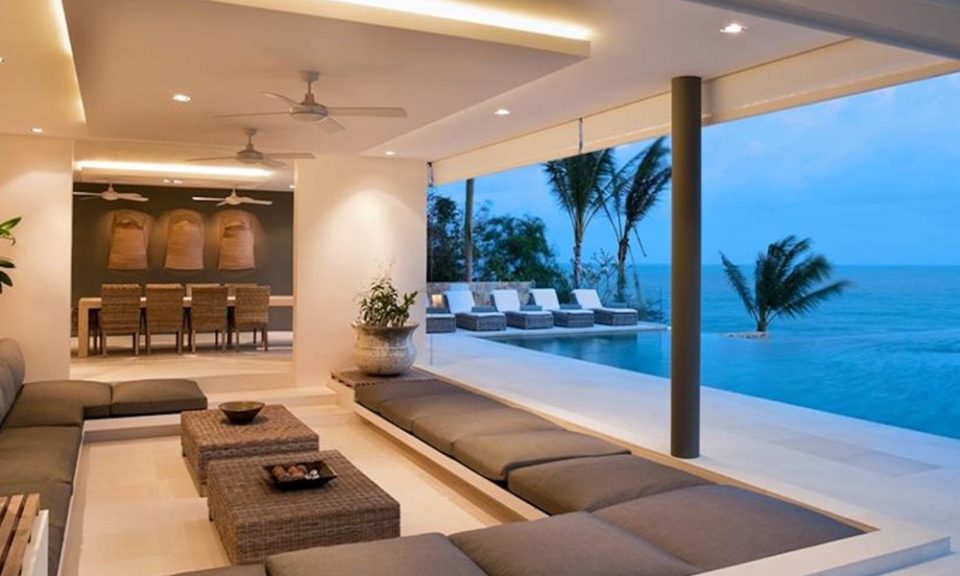
A well-designed coastal interior has the power to lower the temperature of a room. Walk into a home with sun-washed walls and breezy linen and you can almost feel the salt air. Coastal style at its best isn’t about hanging starfish on the wall or stenciling anchors on the dining chairs. It’s about capturing the feeling of being near the water in your everyday space.
This approach to home design has grown well beyond actual beach houses. Apartment dwellers in landlocked cities can adopt the same principles to create spaces that feel restful and bright. The trick is restraint. Coastal style works best when it whispers rather than shouts.
Why Coastal Style Works
The appeal of coastal decor comes down to how it affects mood. Light walls reflect natural sunlight and make rooms feel larger. Natural materials like wood and linen connect us to the outdoors. Cool color palettes draw on the same blue-green tones that lower heart rate in real ocean settings.
Done well, a coastal-inspired room becomes a tool for daily relaxation. You feel calmer walking into it. You sleep better in a bedroom dressed in cooler tones. You linger longer over morning coffee in a kitchen flooded with soft light. The room does work for you whether you’re consciously paying attention or not.
Start With a Light Palette
Color is the foundation of any coastal-inspired space. The most effective palettes draw from what you actually see at the beach. Warm sand. Pale driftwood. Sea glass green. Cloud white. Soft chambray blue. Faded denim. The colors should look like they’ve been bleached by years of sunlight and sea air.
Avoid harsh primary blues. The deep navy that works on a sailboat tends to feel heavy indoors. Choose lighter or duskier blues that sit more comfortably alongside neutrals.
White or off-white walls remain the most reliable choice for coastal interiors. They reflect light and let the texture of the furnishings carry the look. If pure white feels too stark, try a warm white with a hint of cream or a cool white with a hint of gray. The slight undertone keeps the room from feeling sterile.
Bringing Inspiration Home From Your Travels
Many of the best coastal interiors borrow ideas from specific places. A Caribbean cruise often inspires travelers to rethink their home spaces when they return. The pale pinks and corals of Bermuda. The whitewashed walls of the Bahamas. The faded turquoise shutters of Cuba. These details can translate beautifully into accent walls or trim work at home.
The trick is choosing one or two inspirations rather than trying to incorporate everything. A pillow in the exact shade of a beach you remember. A simple watercolor of a fishing boat from a port you visited. A piece of handwoven textile picked up from a local market. Any of these brings the trip back without overwhelming the room.
Most of these touches can be acquired modestly. Local markets at port stops often sell items at a fraction of what an interior designer would charge for the same look at home.
Natural Materials Do the Heavy Lifting
The most reliable coastal interiors lean heavily on natural materials. Wood. Stone. Linen. Cotton. Jute. Seagrass. Rattan. The more textures you can layer in, the more interesting the room becomes without needing extra color.
Wood furniture in light or weathered finishes anchors most coastal rooms. Whitewashed oak. Reclaimed teak. Limed driftwood-finish pieces. These work with almost any other coastal element. Avoid heavy dark wood unless you’re balancing it with significant light elsewhere in the room.
Linen is the workhorse fabric of coastal style. It rumples beautifully and ages gracefully. It also breathes well in any climate. Wash a linen cushion cover and let it dry slightly wrinkled. The relaxed look is part of the appeal. Cotton in lighter weaves works similarly.
Natural fiber rugs ground the floor without competing with the rest of the room. Jute and sisal both work well. Seagrass adds another texture worth considering. They’re more affordable than wool rugs and add the kind of organic texture that coastal style depends on.
Patterns Without Overwhelming
Pattern in coastal interiors should feel earned rather than busy. A stripe or two is a classic choice. Block prints or block patterns from coastal cultures around the world add subtle visual interest. Avoid anything too literal. Pillows covered in tiny sailboats or seashells quickly start to feel like a theme rather than a style.
A single bold pattern in the room can work as a focal point. A large piece of art with sweeping coastal colors. A statement rug. A throw blanket in an irregular pattern. The rest of the room should stay quieter to let that single piece breathe.
Room-by-Room Ideas
Living Room
Start with a slipcovered sofa in a light neutral. White or oatmeal works well. Pale gray also fits the palette. Layer in linen pillows and a textured throw. Add a coffee table in light wood or rattan. Hang a single piece of art at eye level rather than crowding the walls with smaller pieces. Less is genuinely more in this approach.
Bedroom
White linen bedding remains the gold standard for coastal bedrooms. The slight wrinkles add character rather than detracting from it. Layer a knit throw in a soft pastel for cooler nights. A weathered wood headboard or a simple cane bed frame keeps the focus on textures rather than on saturated colors.
Kitchen
White or pale gray cabinets pair beautifully with butcher block or honed marble counters. Open shelving showcases textured ceramics in muted tones. Replace dark hardware with brushed nickel or aged brass if your existing fixtures feel too heavy.
Bathroom
Coastal bathrooms benefit from white tile and natural wood accents. A small jute rug warms up a cool tile floor. Glass canisters for cotton swabs and bath salts add organization without visual noise. A wood-framed mirror brings warmth to a room that often feels overly cool.
Common Mistakes to Avoid
Resist the urge to go overboard with theme. Coastal style means evoking the feeling of being near water, not announcing it. Skip the wall art covered in nautical knots. Skip the throw pillows printed with crab silhouettes. Skip the bowls full of plastic seashells.
Avoid bright primary colors when possible. The reds and yellows that work on a beach umbrella can feel jarring in a home setting. Stick to the dustier tones that feel like they’ve been softened by sun and salt over time.
Don’t ignore lighting. Heavy dark shades or fixtures fight against the breezy quality coastal style depends on. Look for fixtures in white or brass. Rattan and woven fiber pendants offer another route worth exploring.
The Lasting Effect
A well-designed coastal interior keeps working long after the trip that inspired it. The room becomes a daily reminder of the calm you felt by the water. The mood lingers. The pace slows. Mornings feel a little easier. Evenings unwind a little more naturally. That is the real return on investment for any coastal-inspired home.
