
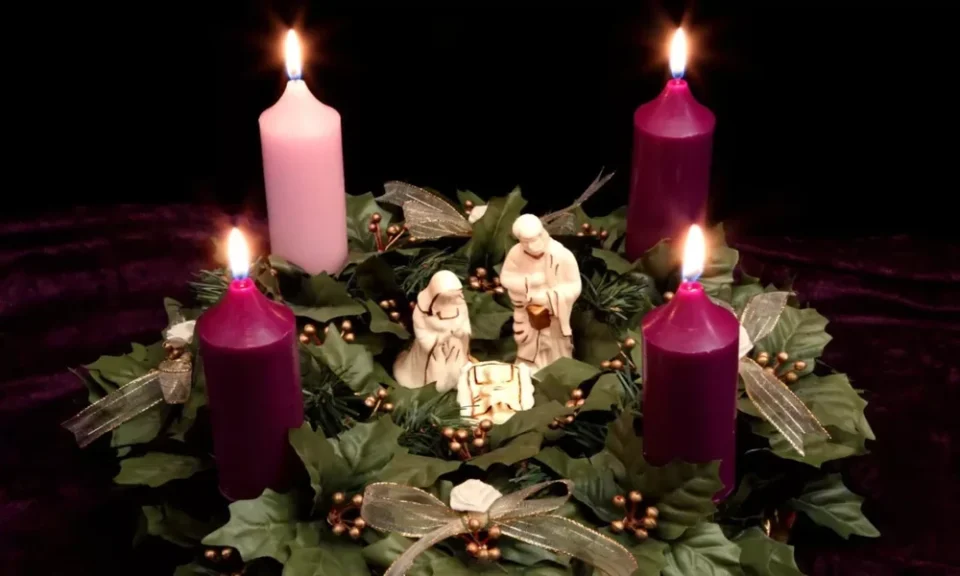
An Advent vacation offers a chance to step away from the usual December routine and experience the weeks before Christmas with greater attention. Instead of building your trip entirely around shopping and sightseeing, you can include quiet walks, seasonal craftsmanship, and time to reflect. The most rewarding itinerary begins with deciding how you want the journey to feel.
Decide What You Want From an Advent Trip
Start by identifying two or three priorities that would make the vacation worthwhile. You might want to explore religious art, spend uninterrupted time with your partner, or discover Christmas traditions in an unfamiliar place. Clear priorities make it easier to choose a destination and avoid booking activities simply because they appear on a popular list.
Consider how much energy you want to spend moving between locations. A single base can provide enough variety if it offers walkable neighborhoods, interesting indoor attractions, and convenient day trips. Staying longer in one place also gives you the opportunity to notice ordinary daily life beyond the main visitor routes.
Think about what you hope to bring home from the experience. A journal, a collection of photographs, or a carefully chosen decoration can preserve the trip without requiring extensive shopping. For travelers interested in Nativity traditions, Holyart offers Christmas villages, nativity sets and settings that can provide ideas for a personal Christmas display inspired by your travels.
Choose a Destination That Supports Your Pace
Look for a destination that matches your interests even without its seasonal events. A place with architecture, galleries, accessible walking routes, and appealing food will remain enjoyable if a market is canceled or the weather changes. Christmas activities can then enrich the trip rather than carry the entire experience.
Examine accommodation locations carefully before booking. A lower nightly rate may be less attractive if you must organize a long journey every time you want to return for a break. Compare the total cost and effort of staying centrally with the practical benefits of a quieter location farther away.
Check event information through official organizers rather than relying exclusively on older travel articles. Opening dates, admission arrangements, and operating hours can change between seasons. Keep a short list of confirmed activities and leave the rest of your schedule flexible.
Build Each Day Around One Anchor Experience
An anchor experience gives the day direction without consuming every available hour. It might be a guided heritage walk, a visit to a Nativity exhibition, or an afternoon exploring a neighborhood known for craft shops. Arrange meals and smaller stops around that commitment instead of creating a timetable filled with separate reservations.
Allow more time than you expect for popular areas and unfamiliar transport systems. The purpose of a slower trip is undermined when every delay threatens the next booking. A generous schedule also creates room for unexpected conversations and places that deserve a second look.
Include at least one period each day without a specific task. Sit in a square, write a few notes, or return to a café you enjoyed the day before. Familiarity can become part of the pleasure of travel, even during a short stay.
Make Space for Reflection Without Making It a Chore
Reflection does not need to involve a formal routine or a long journal entry. You could begin the morning by choosing one thing to notice, such as acts of hospitality, seasonal music, or the way people decorate their windows. In the evening, share a single moment that surprised or moved you.
If faith is central to your Advent journey, identify opportunities for prayer or worship before arriving. Consult the relevant church or religious community for current services and visitor arrangements. When visiting during worship, follow local guidance and allow the needs of the congregation to shape your behavior.
Travel companions may approach the season differently, so discuss expectations openly. One person might value a church visit while another prefers an afternoon browsing markets. A balanced itinerary can accommodate both without requiring everyone to attach the same meaning to every experience.
Spend With Intention
Decide how much of your budget belongs to accommodation, food, experiences, and shopping before departure. This helps you recognize which purchases support your priorities and which are simply convenient in the moment. Reserve a small amount for an unexpected opportunity so that the plan remains flexible.
When considering a seasonal souvenir, picture how it will fit into your life after the vacation. An ornament you will display every year may offer more lasting pleasure than a large collection of inexpensive objects. Ask about materials, origin, and packaging so that you understand what you are buying.
Bring a Slower Rhythm Home
Choose one element of the trip that you can repeat during the remaining weeks before Christmas. It could be an evening walk, a weekly meal without phones, or a few minutes arranging a Nativity scene together. A modest practice is easier to maintain than an ambitious list of new traditions.
Avoid treating the return home as a deadline for recreating everything you enjoyed abroad. Select the experience that felt most natural and adapt it to your circumstances. The value of the trip can continue through a small change in how you spend your time.
Conclusion
A meaningful Advent vacation depends on thoughtful choices about pace, place, and priorities. Choose a destination with lasting appeal, plan one main experience each day, and leave room for attention and discovery. You can return with more than photographs, carrying a calmer approach to the rest of the Christmas season.
