
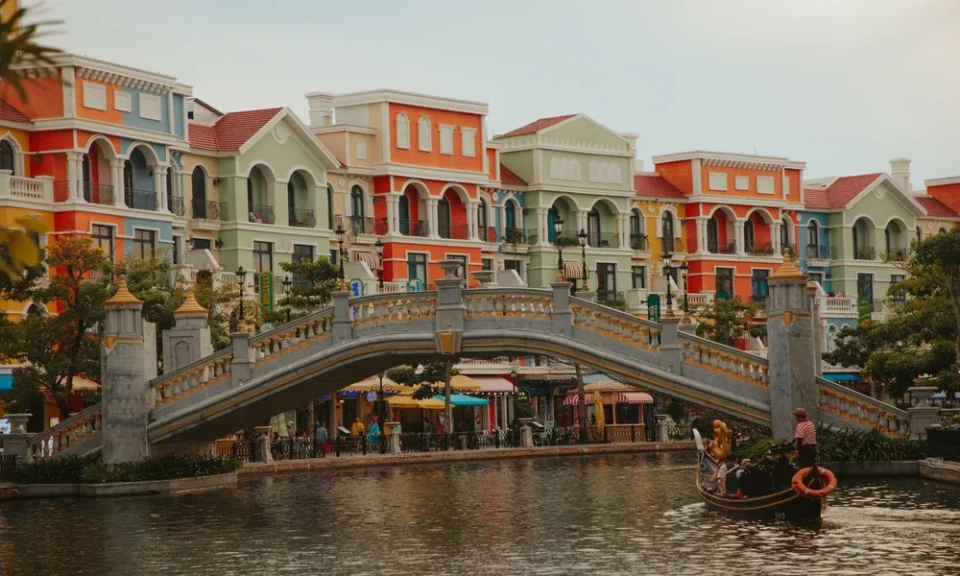
A stay along the historic Singapore River places travellers at the intersection of cultural heritage, vibrant dining, and central urban access. Stretching from Kim Seng Bridge through Robertson Quay, Clarke Quay, and Boat Quay down to Marina Bay, the riverfront offers diverse accommodation choices ranging from sleek luxury towers to converted heritage warehouses. However, securing a room labeled as a “river view” does not automatically guarantee a quiet or picturesque experience. Evaluating specific location and layout factors beforehand helps ensure your chosen property matches your travel expectations.
Location and View Checklist
Before completing a booking along the riverfront, reviewing key neighborhood and architectural details prevents unexpected inconveniences.
- Quay Atmosphere: Robertson Quay offers laid-back dining; Clarke Quay features energetic nightlife; Boat Quay provides historic shophouse views near the financial district.
- Obstructed Views: Lower-floor rooms facing mature trees, pedestrian bridges, or opposite buildings may offer limited water visibility.
- Noise Exposure: Properties positioned directly above outdoor bars or boat jetties experience higher evening sound levels.
- MRT Station Proximity: Checking walkability to nearby stations like Fort Canning, Clarke Quay, or Great World ensures easy citywide commuting.
1. Which Quay Neighborhood Matches Your Travel Style?
The Singapore River is divided into three distinct precincts, each offering a completely different atmosphere. Selecting the wrong quay can significantly impact your stay depending on whether you seek evening excitement or quiet relaxation.
Robertson Quay caters to families, couples, and long-term visitors looking for a relaxed, residential feel with alfresco cafes, brunch spots, and art galleries. Clarke Quay is famous for its buzzing nightlife, music venues, and vibrant river cruises. Boat Quay sits closest to the Civic District and financial hub, offering historic shophouse charm surrounded by bustling seafood restaurants and pubs.
2. Is the Room Facing the River Directly or Partial Water?
Hotel room categories can be confusing, and terms like “river view,” “water view,” or “river facing” do not always mean an uninhibited panoramic look at the water. Certain rooms may only offer a partial diagonal glance past an adjacent building wing or an overhanging tree canopy.
When reserving a hotel river view in Singapore, carefully check room floor plans or request higher-floor accommodations. Higher levels guarantee an elevated perspective over the river promenade and the surrounding skyline, keeping your sightlines clear of ground-level obstruction.
3. How Much Evening Noise Should You Expect?
The convenience of stepping out of your lobby directly into a thriving dining strip comes with the trade-off of ambient noise. Riverfront promenades remain lively late into the night, particularly on weekends when outdoor dining tables and live entertainment venues operate at full capacity.
If you are a sensitive sleeper, look for hotels situated slightly back from the main bar stretches or choose properties featuring double-glazed acoustic windows. Reading recent guest reviews specifically regarding late-night soundproofing helps you avoid unexpected disturbances.
4. What Is the Physical Walkability to Mass Rapid Transit (MRT)?
While the riverfront itself is exceptionally pleasant for morning walks and evening strolls, navigating to major tourist attractions outside the precinct requires convenient access to public transport. Singapore’s tropical climate means walking long distances outdoors in humidity can become tiring.
Confirm how far your prospective hotel sits from the nearest MRT station. Properties located near Fort Canning (Downtown Line), Clarke Quay (North East Line), or Great World (Thomson-East Coast Line) allow travellers to hop onto the train system quickly without needing frequent taxi rides.
5. Does the Hotel Offer Direct Promenade and Pedestrian Access?
One of the greatest benefits of a riverfront stay is immediate access to the continuous, vehicle-free pedestrian path running along the water. This paved promenade extends for kilometers, making it ideal for morning jogs, casual evening walks, or scenic strolls into Chinatown and Marina Bay.
Check whether the hotel features a direct ground-level exit leading onto the river promenade. Properties requiring guests to cross busy multi-lane roads or navigate complex vehicular drop-off driveways take away from the seamless waterfront experience.
6. Are On-Site Dining and River Cruise Amenities Nearby?
Staying along the river gives you instant access to river taxi jetties and water tour embarking points. Taking a traditional bumboats ride from a nearby pier offers a scenic way to travel down to the Esplanade or Marina Bay Sands without navigating street traffic.
Additionally, evaluate the hotel’s on-site dining options alongside surrounding food choices. Many riverfront properties feature outdoor terrace restaurants overlooking the water, allowing guests to enjoy breakfast or evening drinks with an uninterrupted view.
Choosing the Ideal Waterfront Stay
Selecting the right riverfront hotel involves balancing vibrant location choices against room layout, noise preferences, and transport links. By considering these six factors during your search, you can select a property that provides a relaxing, scenic base for exploring Singapore.
Contact InterContinental Singapore Robertson Quay to discover curated accommodation reviews and plan your next stay in Singapore.
