
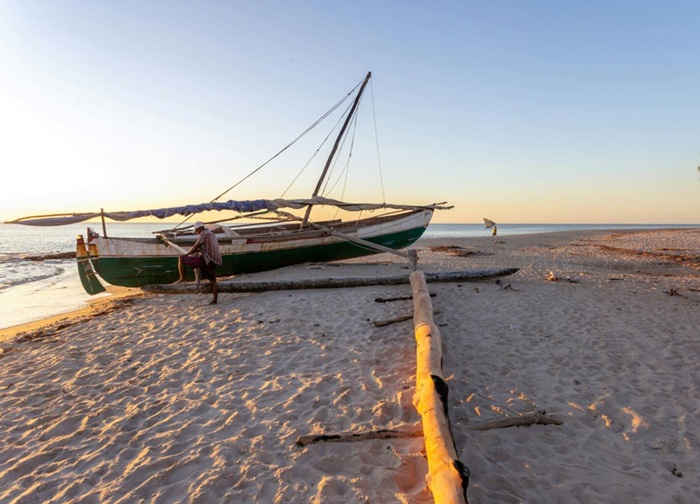
Located off the west coast of Africa, Cape Verde offers a combination of landscapes and activities that many travelers don’t expect from a single destination. Made up of ten main islands, the country blends Atlantic beaches, volcanic terrain, desert-like interiors, and active coastal ecosystems. For visitors who prefer variety without complicated logistics, Cape Verde provides a practical mix of outdoor experiences and accessible infrastructure.
Each island has its own focus, but distances are manageable and internal flights make it possible to combine multiple environments within one trip.
Marine Life and Seasonal Whale Watching
Cape Verde sits along important migration routes for humpback whales. From February through May, waters around islands such as Boa Vista and Sal become observation points for breeding and calving activity.
Boat excursions operate from several ports during this period, typically lasting a few hours and led by licensed local operators. Sightings are never guaranteed, but the region is considered one of West Africa’s more reliable whale-watching locations. These trips are generally designed for small groups and require minimal preparation beyond basic sun protection and motion-sickness precautions.
For travelers visiting during spring months, marine excursions often become a key part of the itinerary.
Beaches and Desert Landscapes
While Cape Verde is known for its beaches, the inland landscapes provide a contrast that adds depth to the experience. On Boa Vista, long dune systems stretch inland from the coast, creating open spaces that feel more like desert environments than traditional seaside settings.
Guided tours allow visitors to explore these areas by 4×4 or on foot, depending on conditions. Routes usually include stops at remote beaches, small fishing villages, and elevated viewpoints. These excursions are structured and typically run half a day, making them easy to integrate into broader travel plans.
Sal offers a flatter profile, with salt flats, lava formations, and wide sandy beaches that support activities such as windsurfing, kitesurfing, and casual cycling. Roads are straightforward, and most key sites are reachable within short drives.
Local Towns and Cultural Stops
Beyond outdoor activities, Cape Verde maintains a strong local identity shaped by African, Portuguese, and Brazilian influences. Small towns host daily markets, informal cafés, and music venues where morna and coladeira are still part of everyday life.
Visitors who venture outside resort zones often find compact town centers with basic services and walkable layouts. These areas provide context for how residents live alongside tourism rather than apart from it.
Cultural visits tend to be informal — short walks through neighborhoods, conversations with shop owners, or stops at community-run museums. These experiences don’t require structured tours and can be added easily between planned excursions.
Accommodation and Travel Planning
Cape Verde’s tourism infrastructure is concentrated mainly on Sal and Boa Vista, where international airports and larger accommodation options are located. These islands are particularly suited to travelers who prefer organized services and predictable schedules.
Staying in an all inclusive resort in Cape Verde is a practical option for visitors who want accommodation, dining, and excursions coordinated from one base. These resorts typically provide direct beach access, on-site activity booking, and transport arrangements, which reduces the need for independent planning — especially useful for first-time visitors or families.
From these bases, travelers can join guided marine tours, desert excursions, or cultural visits without navigating complex logistics.
Climate and Best Times to Visit
Cape Verde has a dry, mild climate year-round, with temperatures generally ranging between 22°C and 30°C. The dry season runs from November through June, while short periods of rain may occur later in summer.
Spring is popular for whale watching, while winter months attract travelers seeking warm weather and consistent winds for water sports. Summer brings fewer crowds and slightly higher humidity, though conditions remain manageable.
Because activities are spread across natural and coastal environments, it’s useful to plan days around weather patterns — early mornings for excursions, afternoons for beach time, and evenings for relaxed dining.
A Destination Built Around Variety
Cape Verde doesn’t rely on a single attraction. Its appeal comes from how different elements connect: marine wildlife alongside desert dunes, quiet beaches paired with small-town culture, and organized tourism balanced with local routines.
For travelers who enjoy destinations that combine outdoor activity with accessible comfort, Cape Verde offers a clear structure for exploration. Whether observing whales offshore, walking across sand dunes, or spending time in coastal towns, visitors can experience multiple sides of the islands without needing complex itineraries.
It’s this practical blend of environments and experiences that gives Cape Verde its understated character — one shaped by geography, seasonal rhythms, and straightforward travel options.
